



Contact/s:
Maria Pereira da Silva
mpereira@consulai.com
Integrated Pest Management in the Fruit and Vegetable Sector

Portugal
Mediterranean zone
- Costs reduction
- Productivity increase
- Product quality increase
Thematic Areas
Production System/s
Summary for Practicioners on the Main Finding(s)/Innovative solution(s)
Pest and disease management in Portugal’s fruit and vegetable sector is an increasing challenge. The high incidence of these issues may compromise crop productivity and quality, leading to significant economic losses for producers. When a crop is affected by pests or diseases, costs can be substantial—not only in controlling the outbreak but also in potentially lost production. In response, producers recognize the need of adopting preventive measures that enhance pest and disease management.
The primary objectives of these practices are to increase crop productivity and enhance fruit quality, ensuring a more competitive final product, by preventing and closely monitoring pest and disease occurrence. Additionally, they aim to reduce dependence on plant protection products, fostering a more balanced and cost-effective production model.
To achieve these goals, several measures have been implemented:
⦁ Pruning and preventative treatments help mitigate the risk of pest infestations and disease outbreaks. Ensuring the temperatures and relative humidity in the orchard are not optimal for pest and disease development is a preventive measure that has a high impact.
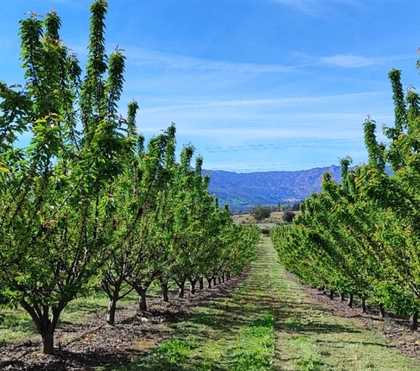
⦁ Promoting biodiversity is another effective approach, achieved through the creation of ecological strips, the sowing of biodiverse plant mixtures between orchard rows and the installation of artificial habitats for beneficial insects and auxiliary organisms. These actions support ecosystem balance and enhance natural biological pest control.
⦁ Regular crop monitoring is also essential for timely and effective intervention. Systematic observation and the counting of pests and beneficial organisms enable more precise and efficient responses, reducing waste and optimizing resource use.
By adopting these best practices, the fruit and vegetable sector can enhance sustainability while strengthening the competitiveness of Portuguese producers ensuring high-quality and environmentally responsible products.
Summary for Practicioners in Native Language
A gestão de pragas e doenças no setor hortofrutícola em Portugal é um desafio crescente. A elevada incidência desses problemas pode comprometer a produtividade e a qualidade das culturas, resultando em perdas económicas significativas para os produtores. Quando uma cultura é afetada por pragas ou doenças, os custos podem ser substanciais — não apenas no controlo da praga ou doença, mas também na possível perda de produção. Em resposta, os produtores reconhecem a necessidade de adotar medidas preventivas que melhorem a gestão de pragas e doenças.
Os principais objetivos das práticas são aumentar a produtividade das culturas e melhorar a qualidade dos frutos, garantindo um produto final mais competitivo, através da prevenção e do acompanhamento rigoroso da ocorrência de pragas e doenças. Além disso, pretendem reduzir a dependência de produtos fitofarmacêuticos, promovendo um sistema de produção mais equilibrado e economicamente eficiente.
Para alcançar esses objetivos, foram implementadas diversas medidas:
⦁ Poda e tratamentos preventivos, que ajudam a mitigar o risco de infeções por pragas e aparecimentos de doenças. Garantir que as temperaturas e a humidade relativa no pomar não sejam favoráveis ao desenvolvimento de pragas e doenças é uma medida preventiva de alto impacto.
⦁ Promoção da biodiversidade, uma abordagem eficaz que inclui a criação de faixas ecológicas, a sementeira de misturas biodiversas entre as linhas do pomar e a instalação de habitats artificiais para insetos benéficos e organismos auxiliares. Estas ações contribuem para o equilíbrio do ecossistema e reforçam o controlo biológico natural de pragas.
⦁ Monitorização regular das culturas, essencial para intervenções atempadas e eficazes. A observação regular e a contagem de pragas e organismos benéficos permitem respostas mais precisas e eficientes, reduzindo desperdícios e otimizando o uso de recursos.
Ao adotar estas boas práticas, o setor hortofrutícola pode melhorar a sustentabilidade, enquanto reforça a competitividade dos produtores portugueses, garantindo produtos de alta qualidade e ambientalmente responsáveis.