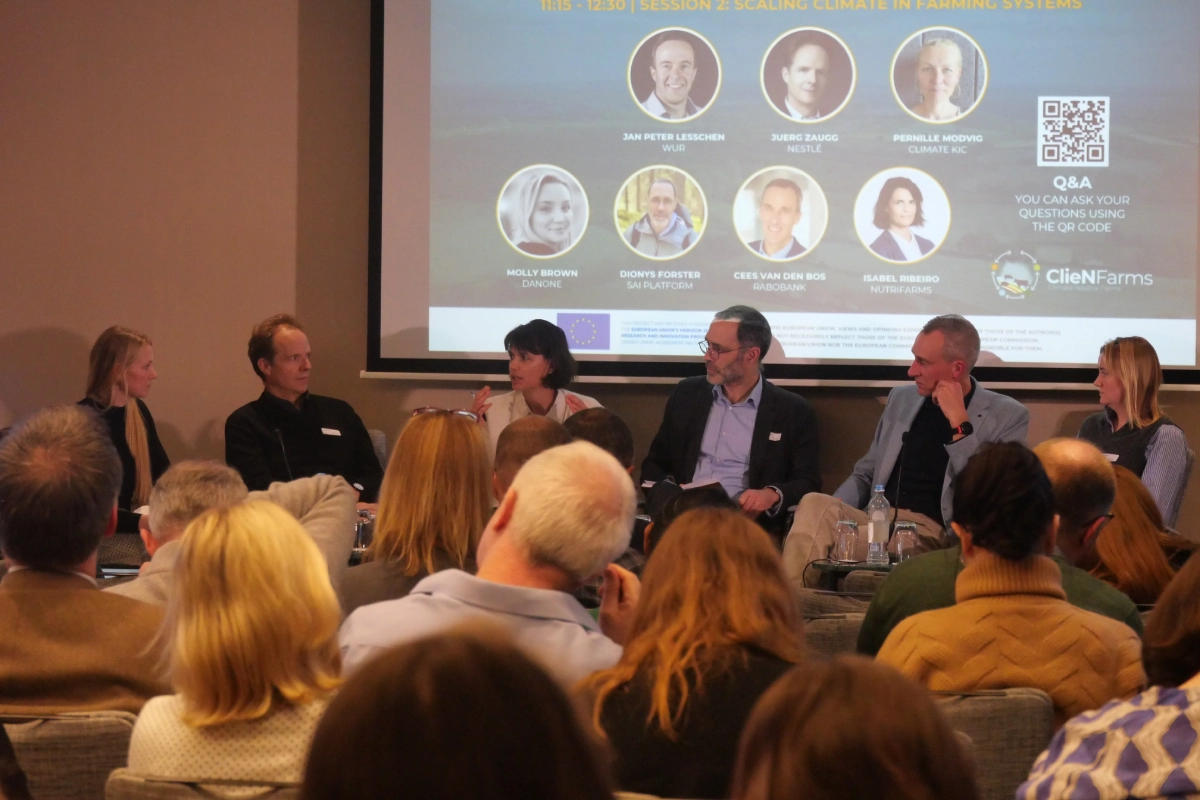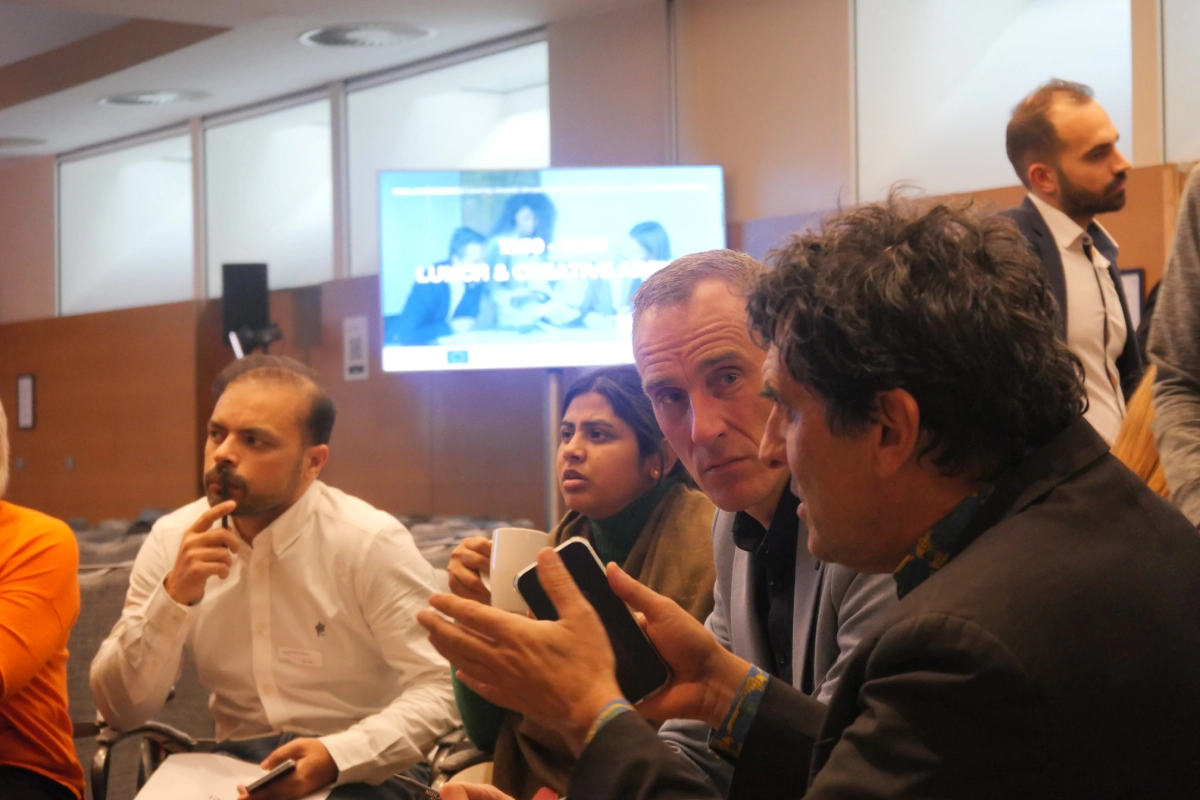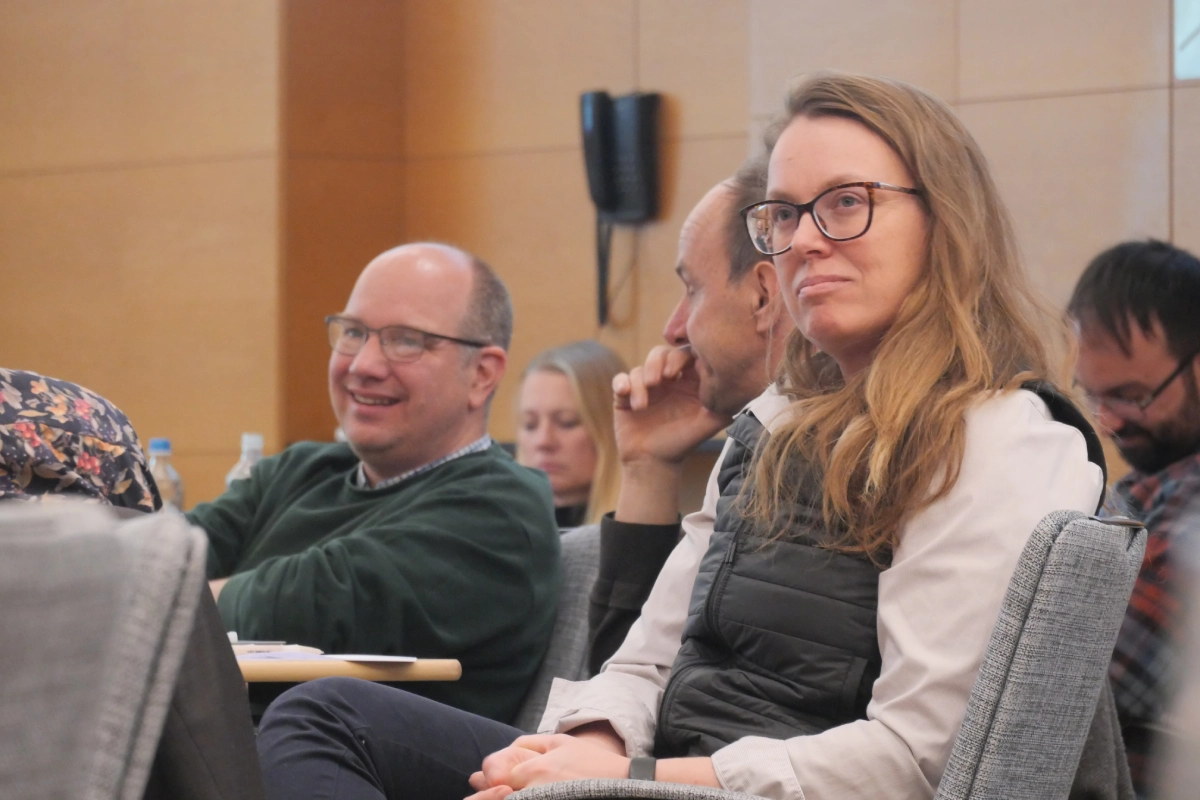



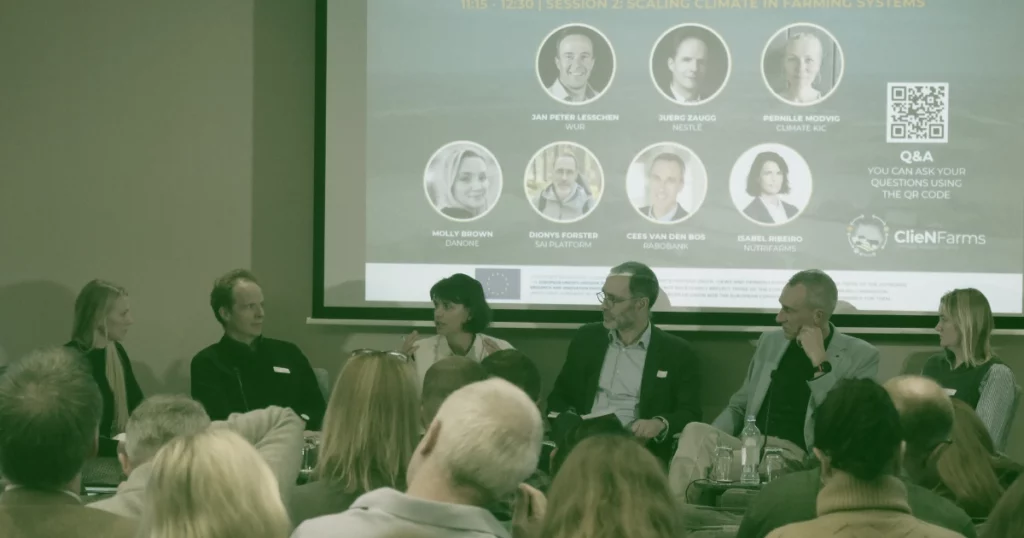
Climate impacts are reshaping farm decisions, and the sector is navigating shifting expectations from markets, policy, and society. The event provided a space to examine what the EU-funded ClieNFarms project has learned over four years and how this knowledge can inform Europe’s next steps toward climate neutrality in agriculture. This article distils six key insights that emerged from the discussions.
1. Climate action only succeeds when scientific, financial, and advisory systems align
ClieNFarms was built on the principle that climate solutions must be tested where farming decisions actually happen. Through the Innovative Systemic Solution Spaces (I3S), farmers, advisors, researchers, supply-chain actors and local institutions worked together to test climate measures in practical settings. This showed how adoption depends not only on technical performance but also on the pressures and constraints farmers manage day to day.
The I3S network generated a wide evidence base – from case studies and transition pathways to modelling insights and practical tools – and revealed where measures perform consistently and where outcomes depend on local conditions. Across sessions, speakers noted that strong solutions falter when evidence, advisory systems, policy signals and market incentives do not align.
2. Co-creation changes decisions in ways technical data can’t
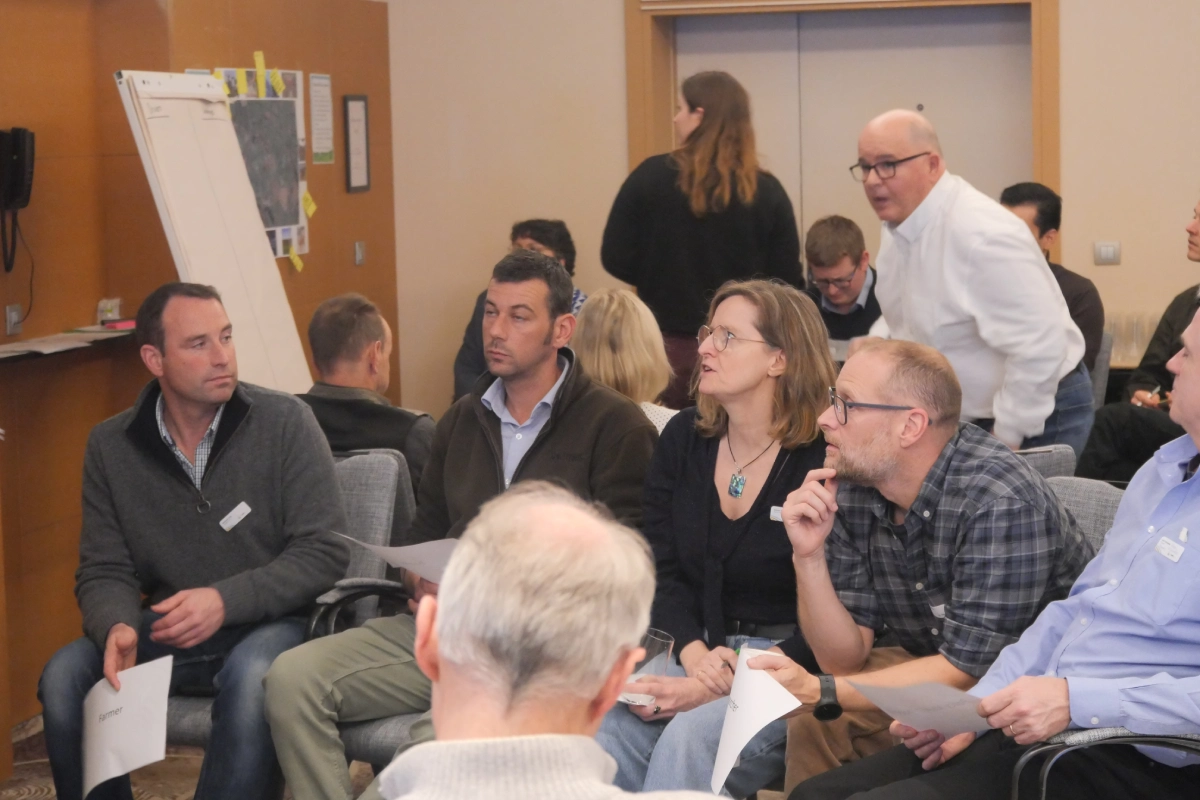
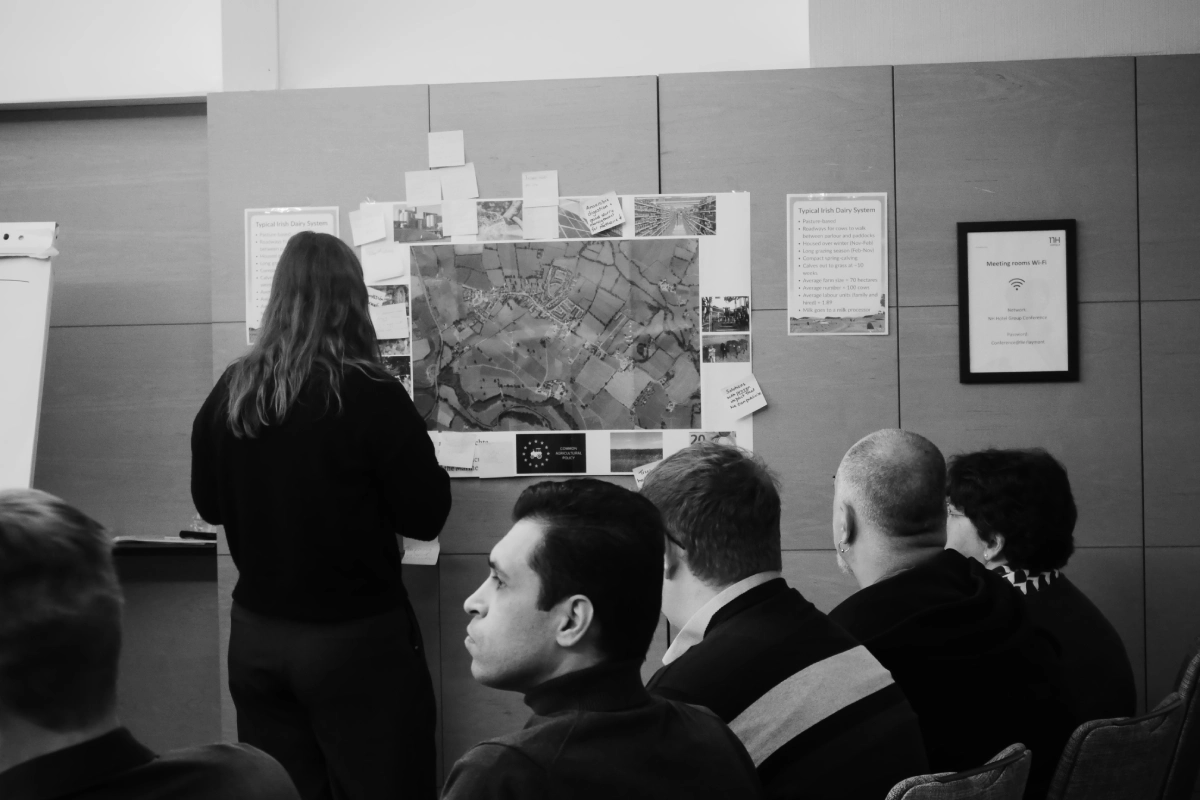
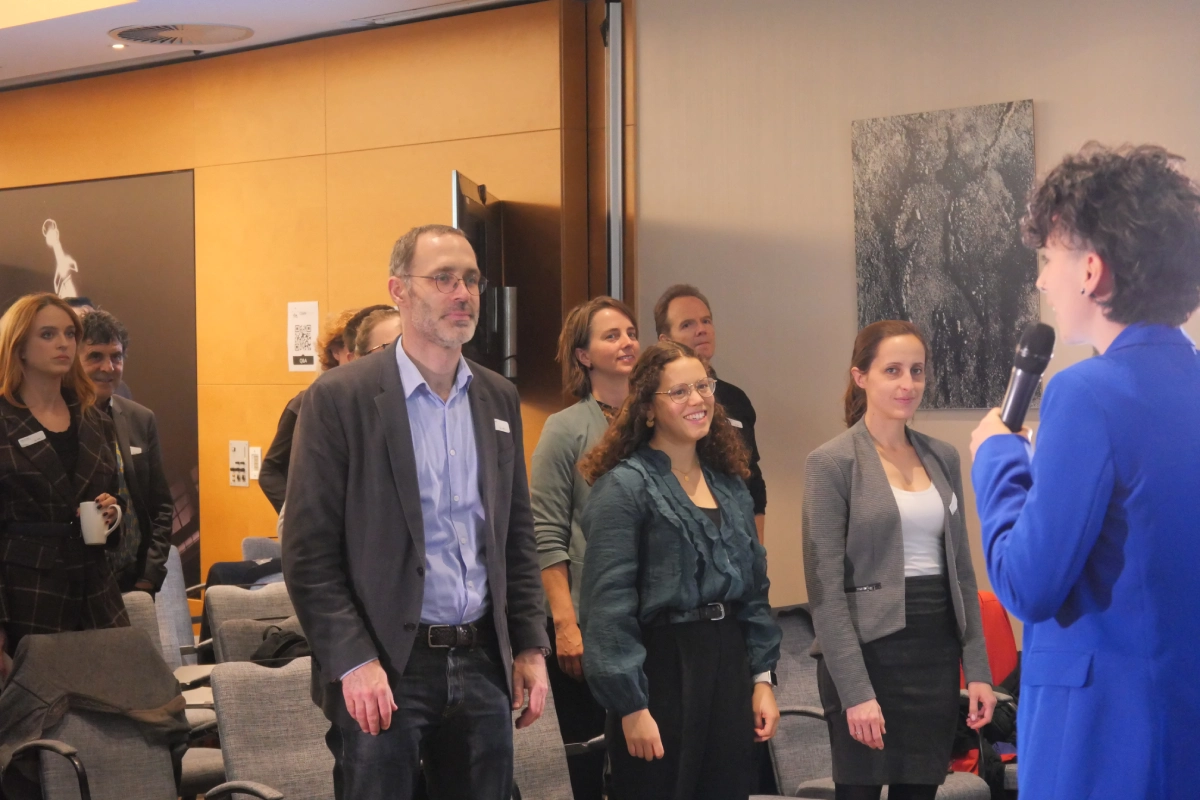
A useful exercise in the conference was the Creative Arena simulation, which brought ClieNFarms’ collaborative methods into the room. Participants stepped into the roles of different agricultural actors and worked through the dilemmas farmers face when deciding whether to adopt climate measures.
As described by Creative Arena manager Deirdre Hennessy, the strength of these sessions lies in how they change the way people listen to one another. Farmers involved in the project reported that the workshops helped them see established routines from new angles and understand how their decisions affect, and are influenced by, processors, advisors, and local communities. This kind of mutual understanding can shape behaviour as much as technical analysis.
3. Indicators often point in different directions, complicating assessments of progress
The conference also examined how Europe measures progress toward climate-neutral agriculture, and here the discussions pointed to significant complexity. ClieNFarms identified around thirty climate measures, each with varied effects on emissions, soil health and organic carbon sequestration, resilience, and biodiversity. Understanding these effects depends on indicators, yet different indicators highlight different aspects of performance.
GHG emissions measurements per unit of product are widely used in supply chains, but they can encourage intensification in ways that conflict with other sustainability objectives. Indicators linked to land area support regional planning, while farm-level assessments reflect the decisions farmers make on a daily basis. These perspectives coexist, and ClieNFarms’ work showed that they often evolve differently for the same practice. This makes it difficult to define progress in a way that is meaningful across the entire system.
Speakers stressed the need for assessments that recognise both short-term mitigation outcomes and broader contributions to long-term resilience. A measure that improves soil structure may not deliver immediate reductions in emissions, yet still strengthens the system’s capacity to adapt.
4. Soil carbon modelling is promising, but confidence depends on data quality and usability
Soil carbon modelling demonstrates another area where potential and uncertainty overlap. The project showed that models can offer valuable insights, but their reliability depends on the quality of the data used to feed them. Sampling, calibration, and local variation all shape results. Several contributors observed that difficulties often arise from how models are applied rather than from the models themselves. Stronger guidance, more consistent datasets and tools designed with users in mind were identified as priorities for strengthening trust in results.
This is particularly important because soil carbon is gaining prominence in European discussions. As noted during the conference, it offers benefits for both climate mitigation and on-farm resilience by improving soil function and water retention. Ensuring that tools can support accurate and transparent assessments will be essential for future policy development.
5. Value-chain allocation remains a major barrier to private investment
Another unresolved challenge concerns how to attribute climate benefits across the multiple outputs of a farm. Rotations, manure flows, livestock and soil improvements are linked in ways that make it difficult to divide contributions between value chains. This matters because companies want clarity about where climate benefits originate and how they should support them. Without a practical and trusted way to allocate these effects, large-scale engagement from food companies remains constrained.
6. Farmers are asking for clarity, examples, and shared risk
Across sessions, participants highlighted the importance of clear guidance for farmers, including practical instructions, proven examples, demonstration farms and advisory support that reflects local realities. Farmers typically raise concerns about the costs, uncertainties and additional workload associated with transitions, so shared risk-management between farm and supply chain is essential.
Policy predictability also emerged as a major concern. When accounting rules or reporting expectations change, long-term planning becomes difficult across the sector. The contribution from the European Commission’s Directorate-General for Climate Action (DG CLIMA) signalled recognition of this issue. Valeria Forlín noted that soil carbon is a strategic focus because it contributes to resilience as well as mitigation, and that the Commission is open to insights from ClieNFarms as it continues shaping future frameworks.
A foundation for Europe’s agricultural transition
ClieNFarms leaves behind a substantial collection of outputs and has demonstrated approaches to collaboration that helped communities work through the complexity of climate-neutral farming.
The project does not remove uncertainty, nor was that its purpose. Instead, it clarifies where progress is possible, where systemic barriers remain and how different parts of the agricultural system influence one another. The conference underscored that Europe’s transition will depend on strengthening these relationships. ClieNFarms has helped define how this can be done – and where attention is now needed.
The next steps will require practical innovation and stable frameworks that recognise the realities of farm businesses. The project’s contribution lies in showing how these elements can be brought together and how the sector can build on this foundation to advance Europe’s transition toward climate-neutral agriculture.