In this fact sheet, we translate six IPCC (Intergovernmental Panel on Climate Change) guiding principles for climate communication specifically to talking about climate during farm demos. The principles are originally aimed at scientists to help them communicate better about their work, but they are inspirational for climate demo events as well. We outline how to use these climate communication principles when designing a climate demo for a potentially sceptical audience.
A Polish advisor organised a demo event about mitigating the effects of water erosion in hilly terrain. The demo focused on covering the soil year-round with various crops, including intercrops. She says: “Farmers were sceptical; they listened but found it hard to believe in the benefits of these changes.”
Justyna Fila, Poland
1. Find or Be a Confident Communicator
A confident communicator brings two things: expertise and an authentic voice, which simply means being yourself. In climate farm demos, the confident communicator can be the farmer, who is knowledgeable about their own farm, or another expert, such as an advisor or researcher, sharing their expertise on a climate topic.
“Farmers took the stage as protagonists, opening their fields and greenhouses as learning spaces. They narrated their experiences in implementing biocontrol agents and adjusting climatic parameters to withstand extreme weather events. Their testimony was essential in bridging theory with reality, offering a grounded view of how these strategies are reshaping daily farm operations.”
Eduardo Crisol-Martínez, Spain
2. Talk About the Real World
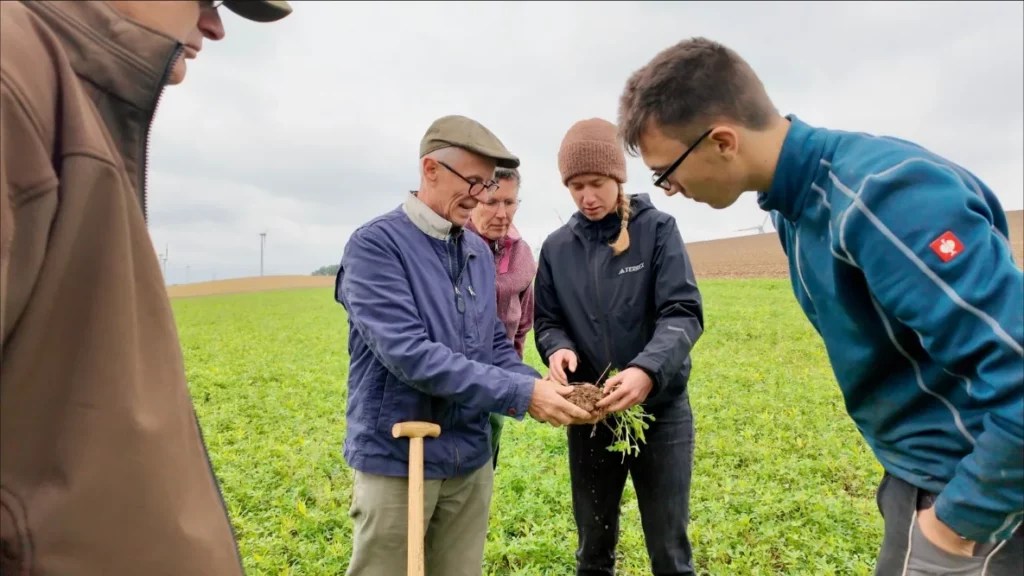
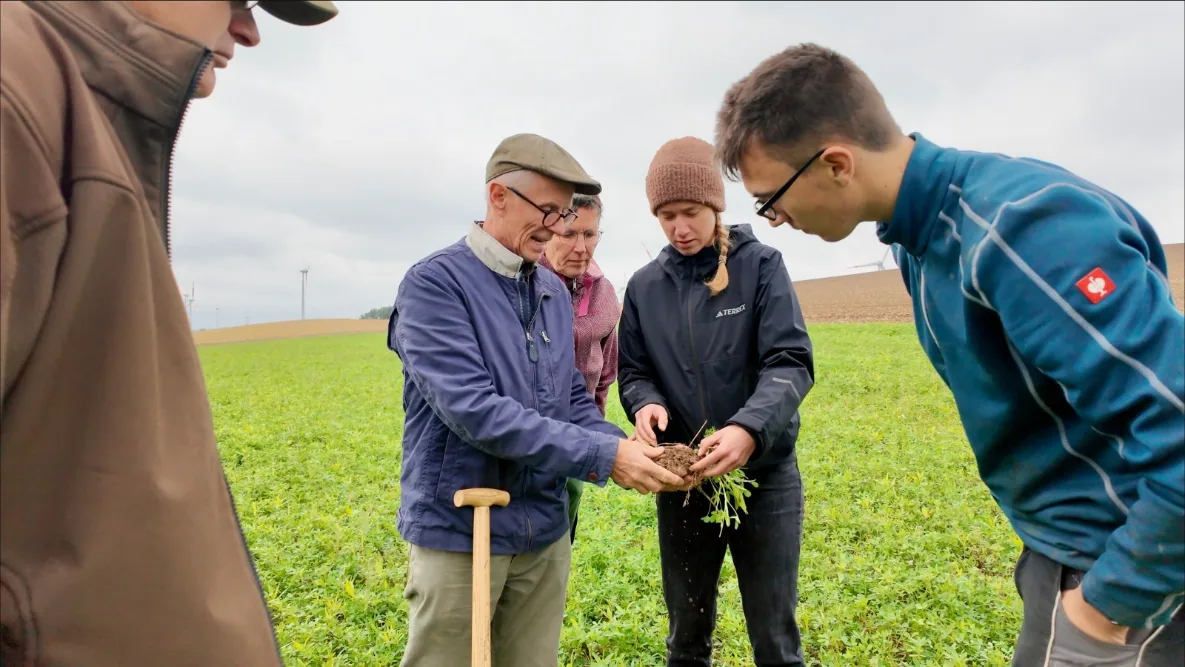
Climate change can feel abstract because it is often discussed using “big numbers” that do not relate to people’s day-to-day life. Use clear language and examples that the audience already knows. Farm demos are a perfect way to connect to farmers’ everyday experience. Go outside and actually see, feel, and experience the farm instead of presenting in a room. This makes it more likely that farmers can relate what they see, hear, and experience to their own lives.
3. Connect With What Matters to Your Audience
Accurate and factual messages matter, but it is equally important to connect with what people find important. Find common ground: values that are shared among the demo participants, while also connecting to what matters to visiting farmers. For example, in a region struggling with drought, talk about economically viable ways of dealing with its effects.
4. Tell a Human Story
Most people relate to anecdotes and personal stories, and farm demos are a perfect platform for the demo farmer to tell theirs. Encourage the farmer to tell their personal story, including their struggles. Stories do not have to be only about success. Farmers usually appreciate when their colleagues also talk about difficulties and failures in implementing climate-smart farming practices.
“The combination of real field examples and farmer testimony proved highly effective. Keep it practical and interactive, allow time for informal discussion, and make sure to include the host farmer’s honest experiences, even failures, as these make learning richer and more relatable.”
Emeline Clotuche, Belgium
5. Lead With What You Know
Many things are still unknown about climate and the effects of climate change on agriculture. During demos, start with what we do know rather than all the things we might not know yet. Extreme weather events provide tangible evidence of climate change and an opportunity to discuss climate risks and climate-smart farming measures.
6. Use Effective Visuals
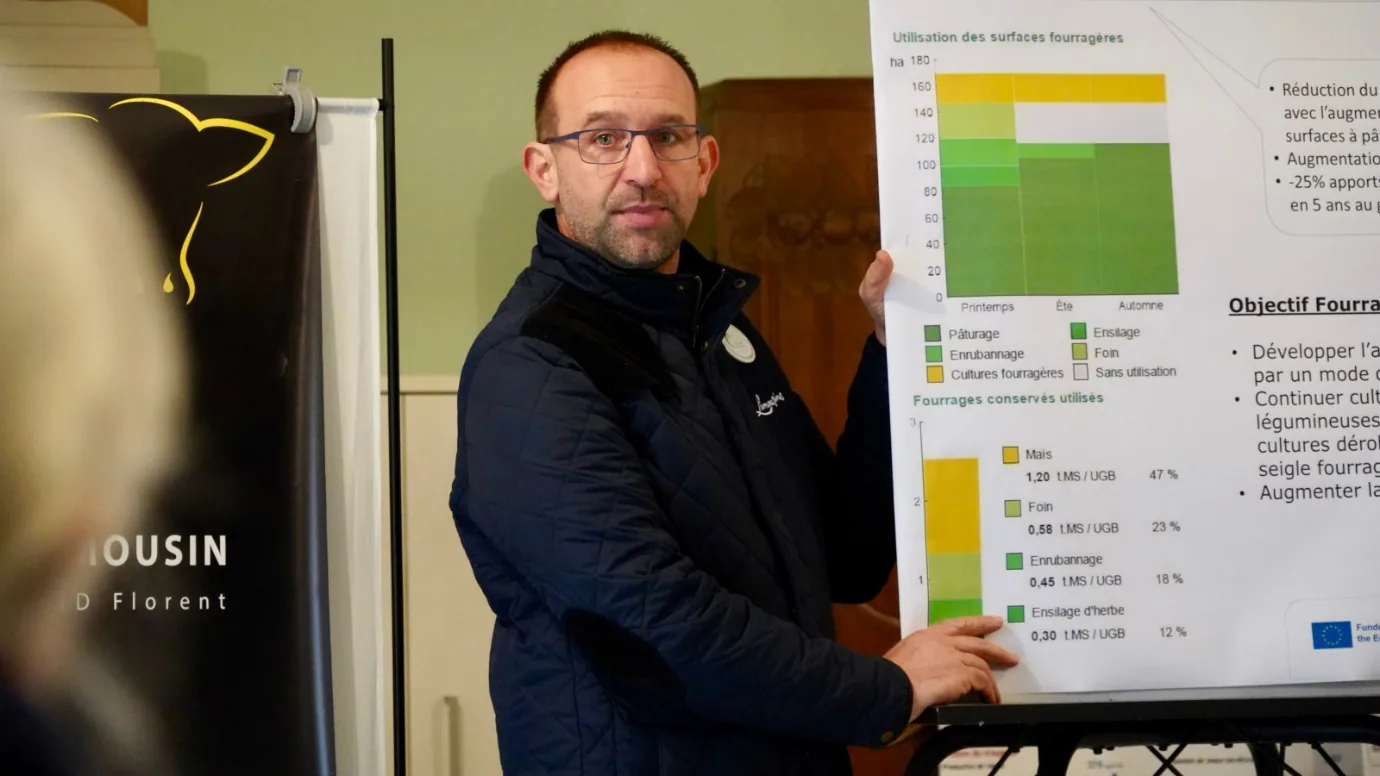
Show, don’t just tell. Farm demos provide a great opportunity to show the effects of climate change and effective climate-smart farming measures in real life. This should be at the core of a climate farm demo. Farm data can also be an effective way to discuss climate-smart farming, making it more tangible to other farmers.
Source: IPCC (2018). Principles for effective communication and public engagement on climate change.