



Inspiration Sheets
Check out our detailed sheets for various topics covered by ClimateFarmDemo project
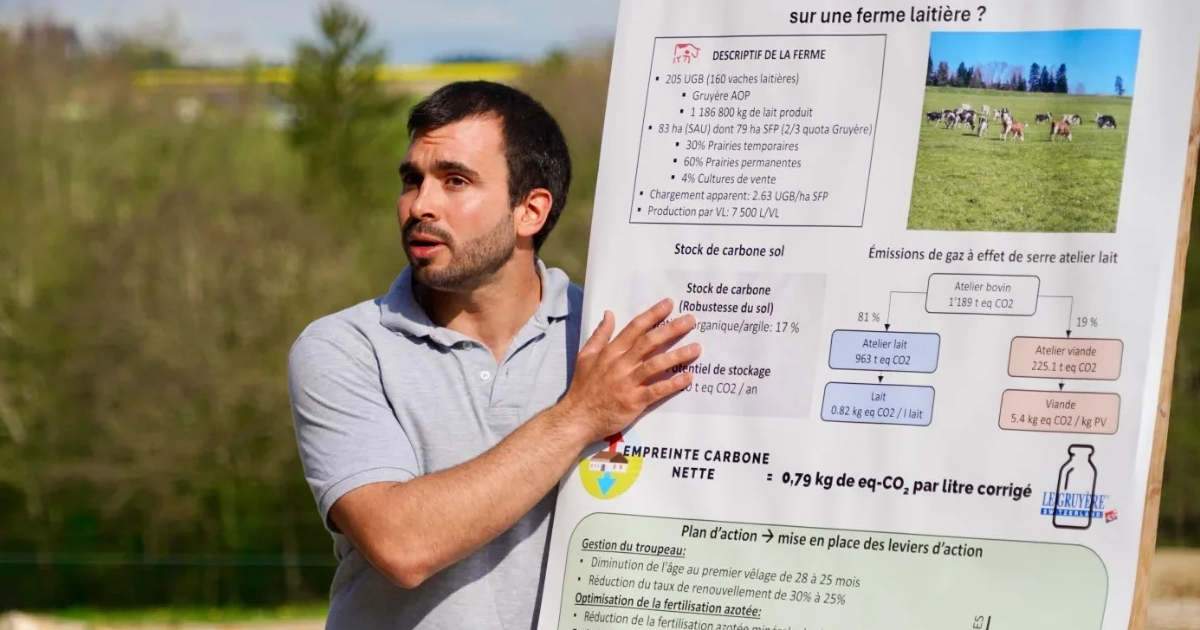
Interactive Methods to Stimulate Discussion and Exchange About Climate Smart Farming
Interactive methods are important to stimulate peer-to-peer exchange during on-farm demos. In climate smart demos, this is even more important since interactive discussion and exchange help to turn abstract concepts such as GHG emissions into practical and more hands-on experience. Interactively involving farmers increases farmers’ confidence and willingness to adopt climate smart farming practices.
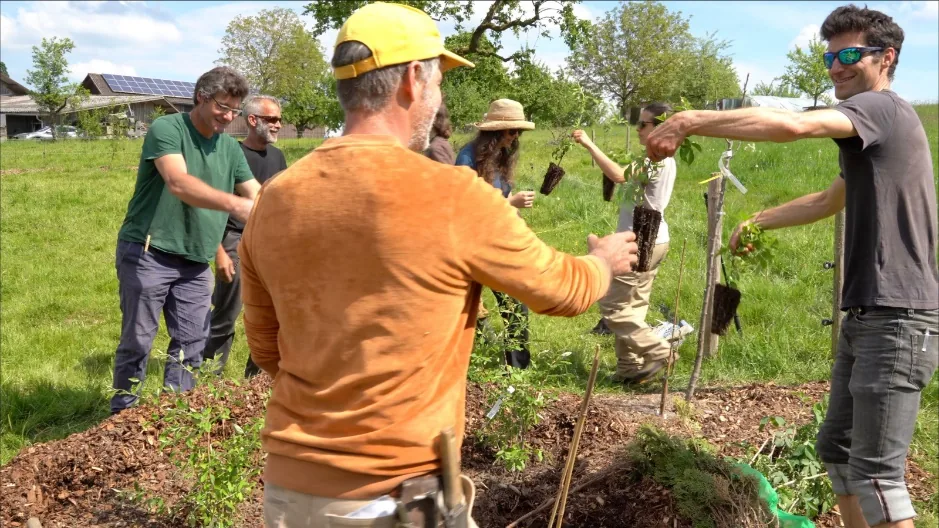
How to Make 'Climate' an Attractive Topic for Farmers?
Climate and climate smart farming can be perceived as distant, theoretical, or even politically loaded concepts. Especially since farmers are primarily focused on the realities of running a profitable and resilient farm. As a result, it can not only be challenging to frame climate related topics in a way that resonates with farmers, but also difficult to attract enough farmers to on-farm demonstrations when climate is the main theme. This factsheet highlights the question: how to make climate an attractive topic for farmers in on farm demonstrations?
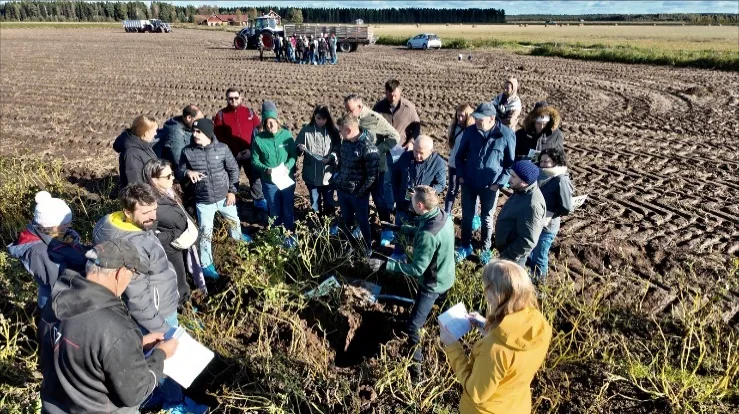
Ways to Demonstrate ‘Invisible’ Climate-Smart Practices
Many climate-smart practices are invisible, or their impact becomes visible only over time. Think about practices for soil improvement that increase resilience, reduce greenhouse-gas emissions, or improve water retention. It can be difficult to show these practices during a demo event.
Here are three ways to demonstrate such “invisible” climate-smart practices. In every case, it helps to let the host farmer explain what they have already changed and how those changes have led to reduced greenhouse-gas emissions or a farm that is more resilient to extreme weather.
Props to Use in a Climate Farm Demo
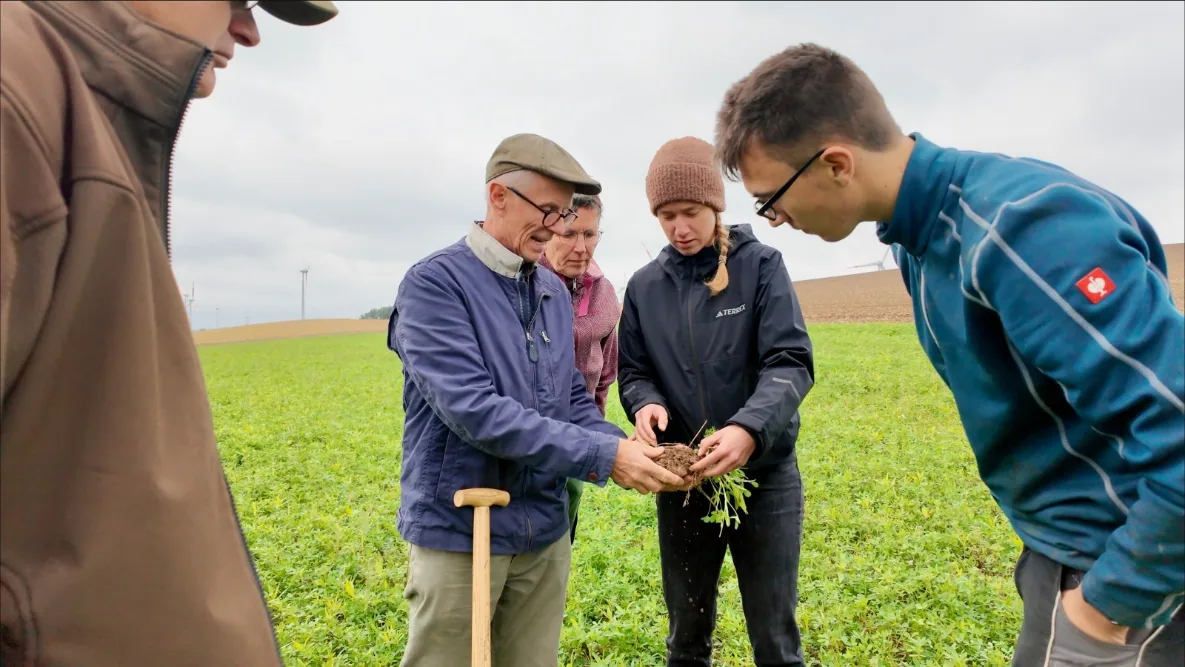
Why use a prop? Using a prop in an on-farm demo helps make information clear and practical by showing concepts in a tangible, real-world way, improving understanding and engagement for farmers and other demo visitors.
How should you use props? Start by choosing simple, relevant objects that clearly support the key message of your demo. Introduce the prop when it adds the most clarity and impact, explain what it represents, and actively use it during the event.
How should you use props? Start by choosing simple, relevant objects that clearly support the key message of your demo. Introduce the prop when it adds the most clarity and impact, explain what it represents, and actively use it during the event.
How to Design a Climate Demo for Sceptical Audiences?
“Climate” is not the easiest topic to talk about. The topic of climate and climate change can feel abstract, politically loaded, or secondary to urgent farm problems. In a previous fact sheet we presented ways to make “climate” an attractive topic for farmers. But how can you deal with a sceptical audience during a climate-smart farming demo?
In this fact sheet, we translate six IPCC (Intergovernmental Panel on Climate Change) guiding principles for climate communication specifically to talking about climate during farm demos.
In this fact sheet, we translate six IPCC (Intergovernmental Panel on Climate Change) guiding principles for climate communication specifically to talking about climate during farm demos.
Subscribe to our Farming for Climate Newsletter.
This is a combined newsletter of three major Climate Smart Farming EU projects - CFD+CSA+CSR